Public contracts too often end in disaster: cost overruns, delays, disappointing results. An article published in La Presse on Sunday, November 30, 2025, bluntly reminds us that without solid public administration skills for these projects, mistakes are not the exception—they become the norm.
Do we have the management expertise to see these projects through to completion?
The article also highlights a reality that we often prefer to ignore: behind every successful major public project lies a crucial element that is too often overlooked—the quality of the call for tenders.
In North Hatley, two questions arise:
- Do we have the expertise to draft solid bids?
- Are we capable of monitoring and managing these contracts once they are signed?
The risk increases further when several major projects are launched simultaneously.
When inexperience leads to mistakes
In municipal, provincial, and federal administrations, a lack of control over tenders is far from rare. As soon as a project becomes complex or technical, things start to go wrong. You don’t need a PhD to see this: North Volth, ArriveCan, SaaQlic… the list speaks for itself.
Does public money make officials less accountable?
I am not an expert in public contracts, but one thing is clear: a lack of expertise leads to poorly designed contracts, skyrocketing bills, and big headaches for municipalities.
In the private sector, people are more nervous: it’s their own money. Management is often tighter, and ineffective managers are quickly replaced. In the public sector, this reflex seems much rarer. In general, apologies are made after the fact.
Preparation: the step that too many municipalities overlook
Expert Maude Brunet reminds us in La Presse of a fundamental rule: before acting, we must compare ourselves to others. This involves:
- analyzing what has been done elsewhere;
- studying similar projects;
- scrutinizing costs and timelines;
- avoiding decisions based on intuition, euphoria… or ego.
When elected officials become developers: a danger to the public interest
In my opinion, this trap poses a particular threat to small municipalities: when the administration itself becomes the project promoter. The example of North Volth is revealing: the project fell below the threshold triggering a BAPE study. When elected officials become project promoters, they no longer represent the population. Emotions take over as they defend their ideas, their image, and sometimes their networks. This is where the project goes off the rails: biased decisions, pressure from close circles, emotional excesses.
The essential conditions for reducing the risk of failure
To avoid these abuses, there is no magic solution: only seriousness.
- thoroughly researched and clearly defined projects;
- construction and operating budgets based on credible comparables;
- realistic timelines;
- transparent information that is accessible to the public, both before and during the project.
In my opinion, this is the only way to achieve genuine social acceptance and avoid failed projects.
Does North Hatley have the necessary expertise and rigor?
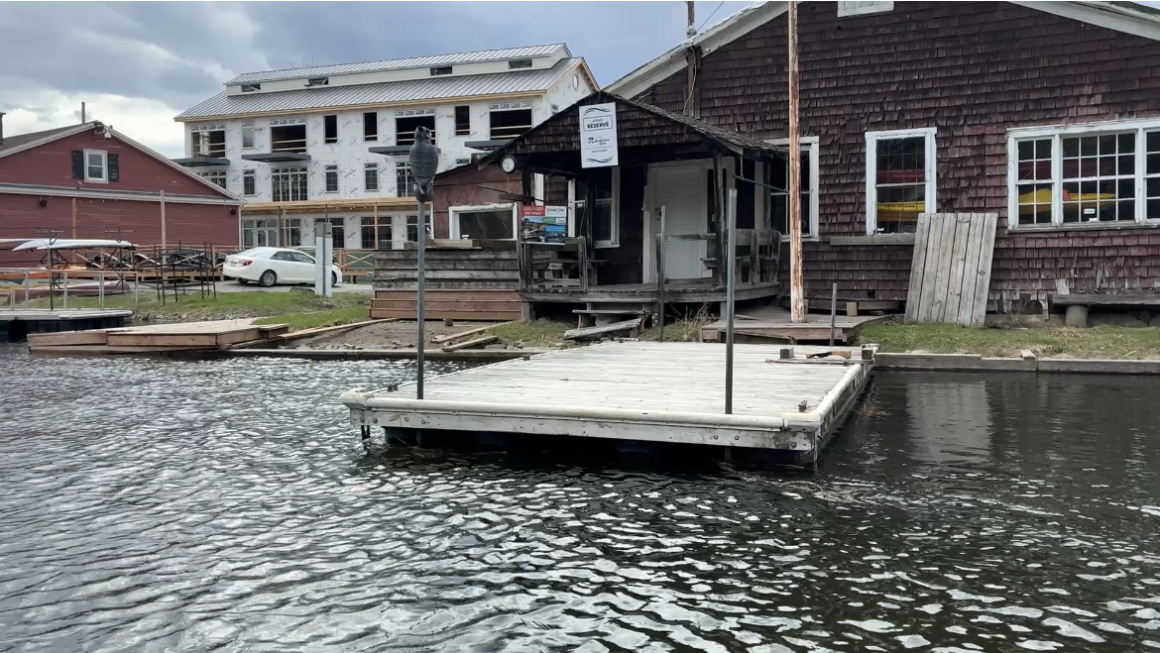
In North Hatley, despite announcements made in public meetings, several key questions remain unanswered. To date, no detailed study or comprehensive budget has been presented for the major projects that have been announced. I am referring here to the new PV beach building and the refrigerated skating rink. This leads me to raise some fundamental questions:
- What internal expertise is actually being used?
- If none exists, who drafts the calls for tenders?
- On what basis are suppliers chosen?
- Who protects the public interest if our elected officials act as developers?
And for citizens, there is nothing that makes it clear:
– why the current PV building should be demolished (analyses and results);
– what are the plans for the new PV building (construction costs, operating costs, operating plan);
– the same questions arise with regard to the refrigerated ice rink project.
Without citizen participation, municipal democracy weakens
Few citizens attend council meetings, and from what I have read, no one reads the minutes. The proof is that they are not available for several weeks or even months. So is it unrealistic to imagine that the people of North Hatley will have access to documents on major projects?
The lack of basic documents: a serious problem
We hear about projects, but we are not shown:
- the plans;
- the studies;
- the figures;
- the foundations that guide decisions.
Without transparency and solid expertise from the outset, the danger goes far beyond the costs to citizens: it undermines confidence in our institutions and increases the likelihood of poorly prepared and poorly executed projects leading to fiascos.
The role of a city council: defending the common good
We must never forget that citizens elect a council to defend their collective interests—not to serve personal ambitions.
On that note, happy thinking!